New York, 17 novembre 2026
Mr. President, Excellencies, colleagues,
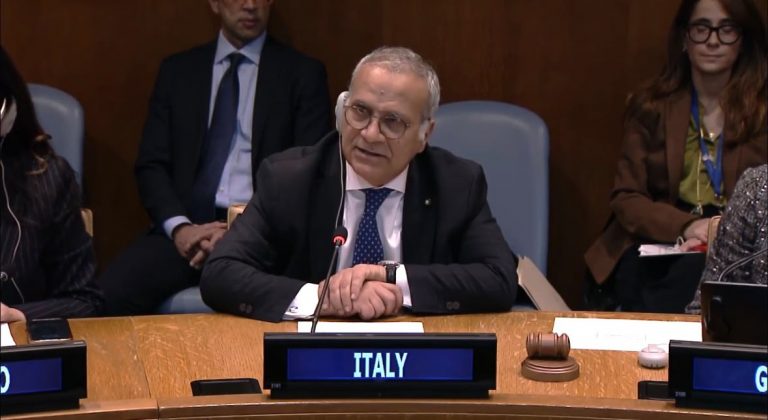
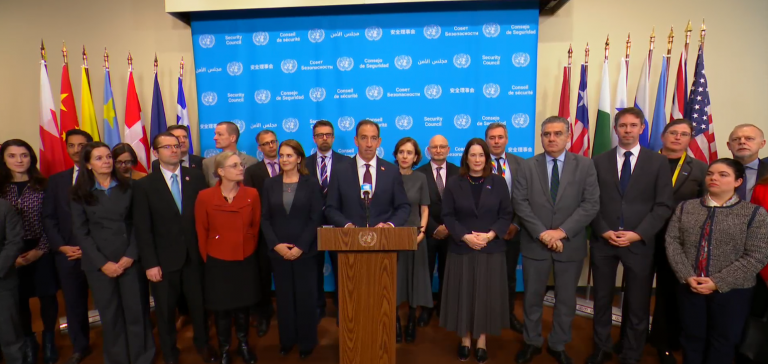
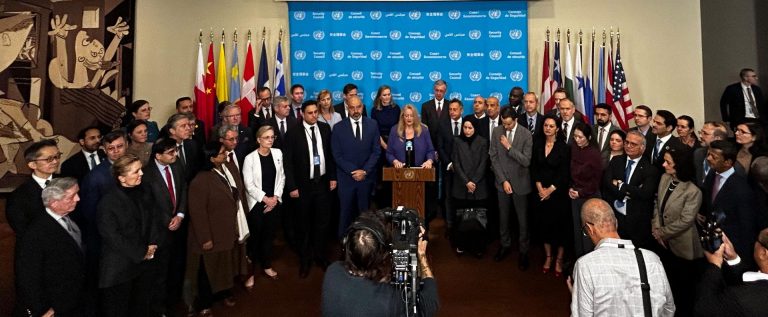
Italy thanks Greece for convening this Arria-formula meeting. We are pleased to co-sponsor this initiative and thank the briefers for their valuable contributions. Italy aligns itself with the statement delivered by the European Union.
Food security remains a key humanitarian and development priority, with important implications for international peace and security. In conflict-affected contexts, disruptions to agricultural production, supply chains and trade can undermine livelihoods, further exacerbate existing vulnerabilities and contribute to instability. Growing pressures on essential resources, including energy, fertilizers and water, underscore the importance of strengthening international cooperation to ensure more resilient and sustainable food systems.
In this context, Italy reaffirms the importance of protecting civilian populations and ensuring that access to food is safeguarded, in full accordance with international humanitarian law.
Security Council Resolution 2417 (2018) marked a milestone in recognizing the link between armed conflict and food insecurity, while condemning the use of starvation of civilians as a method of warfare, prohibited under international humanitarian law, as well as the unlawful denial of humanitarian access.
Eight years after its unanimous adoption, however, strengthening the implementation of this resolution remains an urgent priority. Ensuring respect for international humanitarian law, facilitating humanitarian access and acting on early warnings of conflict-induced famine are essential to protecting civilians.
Italy’s humanitarian engagement reflects this commitment. Through the “Food for Gaza” initiative and “Italy for Sudan”, we have provided much-needed assistance to populations affected by conflict, working closely with international organizations and humanitarian actors.
Our support for the “Grain from Ukraine” initiative also demonstrates the importance of sustaining food production and exports when conflicts threaten food supplies well beyond the countries directly affected.
We must also strengthen our capacity to anticipate risks and prevent disruptions to food systems from contributing to instability.
This is where food diplomacy can make an important contribution. By promoting dialogue, coordination and cooperation among States and relevant stakeholders, it can help address vulnerabilities, strengthen confidence and support preventive action.
Preventing food-related pressures from aggravating conflicts requires stronger cooperation between diplomacy, science and humanitarian and development actors.
The international community must not only respond to food crises once they emerge, but also work collectively to identify emerging vulnerabilities and address their potential implications for peace and security.
Italy therefore welcomes today’s discussion as an opportunity to explore practical ways to strengthen food diplomacy and stands ready to work with Greece and all interested partners to advance this important agenda.
Thank you.