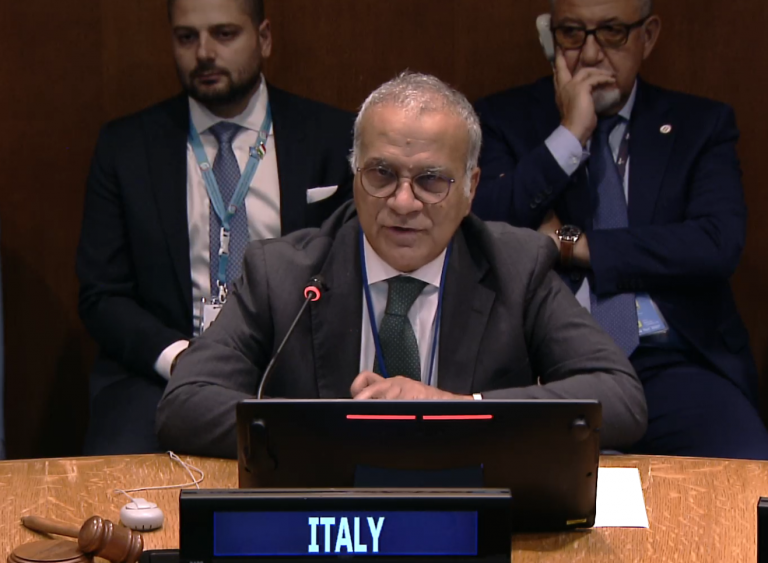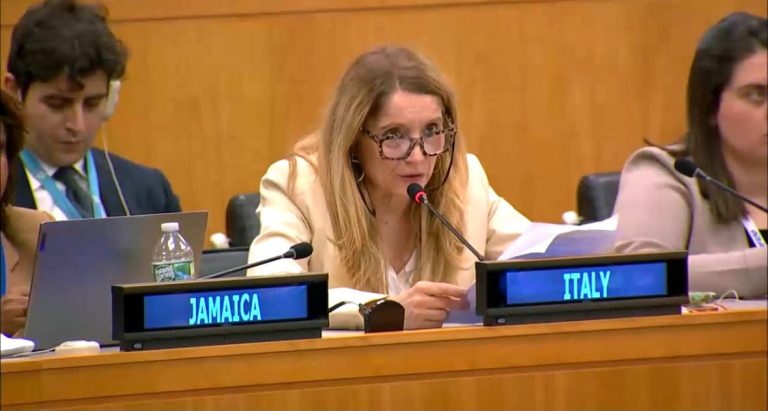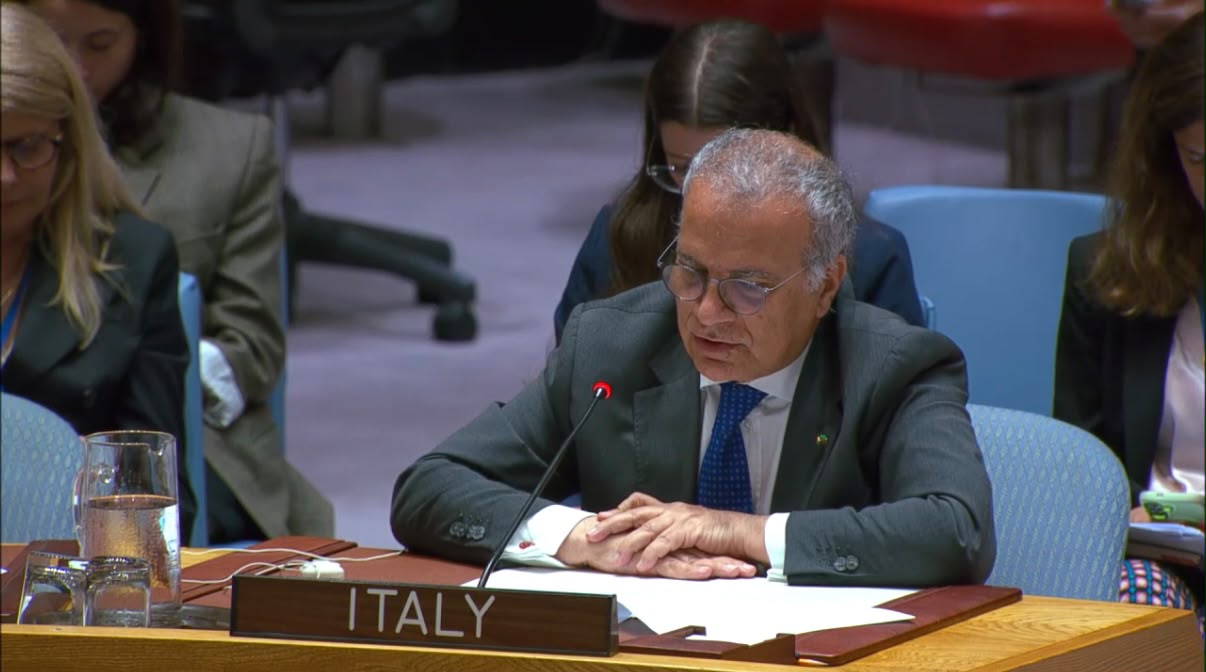
Mr President,
Distinguished Delegates,
We thank the Presidency of Colombia for convening this important debate and the Special Representative of the Secretary-General for Children and Armed Conflict for her dedication and her continued leadership, thank you.
This year marks the thirtieth anniversary of the Children and Armed Conflict agenda. Over the past three decades, the United Nations has developed a robust normative framework to better protect children from the devastating consequences of war. Important progress has been achieved, including the release of thousands of children from armed forces and armed groups and the implementation of action plans aimed at preventing grave violations. Yet, despite these efforts, children continue to pay an unacceptable price in armed conflicts around the world.
Recent United Nations reports paint a deeply alarming picture. The number of grave violations against children has reached unprecedented levels. Attacks on schools and hospitals have increased dramatically, while killing and maiming, recruitment and use, abductions, sexual violence and the denial of humanitarian access continue to affect children in multiple conflict situations. The use of explosive weapons in populated areas, as well as the growing use of emerging technologies in armed conflict, including unmanned aerial systems and artificial intelligence-supported targeting processes, remain major drivers of harm to children. Technological developments must remain fully consistent with international humanitarian law and must never undermine the special protection afforded to children.
Italy is particularly concerned by the growing number of attacks against schools and educational facilities. Education is not only a fundamental right. It is also a source of protection, resilience and hope. When schools are attacked, occupied or destroyed, children lose access not only to learning but also to safety, stability and opportunities for their future.
We therefore reiterate our strong support for the implementation of Security Council Resolution 2601 and encourage wider endorsement and implementation of the Safe Schools Declaration. Schools must never become military targets or be used for military purposes.
Respect for International Humanitarian Law and International Human Rights Law remains indispensable. All parties to conflict must comply with their obligations, take concrete measures to prevent grave violations against children and ensure safe, rapid and unhindered humanitarian access.
Accountability is equally essential. Perpetrators of grave violations against children must be held responsible. Impunity only fuels further abuse and undermines prospects for sustainable peace.
We are also concerned by the impact of funding shortfalls on child protection activities. Reduced resources are affecting monitoring and reporting capacities, education programmes, psychosocial support and the reintegration of children formerly associated with armed forces and armed groups. At a time when needs are growing, the international community must ensure predictable and adequate support for child protection efforts.
Italy remains firmly committed to the Children and Armed Conflict agenda and to working with the United Nations, Member States and civil society to strengthen the protection of children affected by armed conflict.
Allow me to conclude with a simple but essential reminder: children must never be the targets of war. Protecting them is not only a legal obligation; it is a moral responsibility and an investment in peace itself.
I thank you.